
Trauma doesn’t just live in the past—it can shape the way you feel, think, and respond to the world today. At UV Mental Health Services, we recognize that trauma-related disorders affect people differently, often leaving lasting emotional and physical scars. Our approach focuses on compassionate understanding, early recognition, and tailored care that helps you rebuild safety, trust, and resilience. Whether you’ve experienced a single traumatic event or ongoing stress, our team is here to guide you through recovery with empathy and proven treatment methods.


Trauma-related disorders develop after experiencing or witnessing deeply distressing events such as abuse, violence, accidents, natural disasters, or loss. These conditions affect emotional well-being, cognitive functioning, and even physical health.
Common indicators include:
The causes stem from a combination of factors:
We believe healing requires a personalized and holistic plan:
Living with trauma can feel isolating, but recovery is possible with the right support.
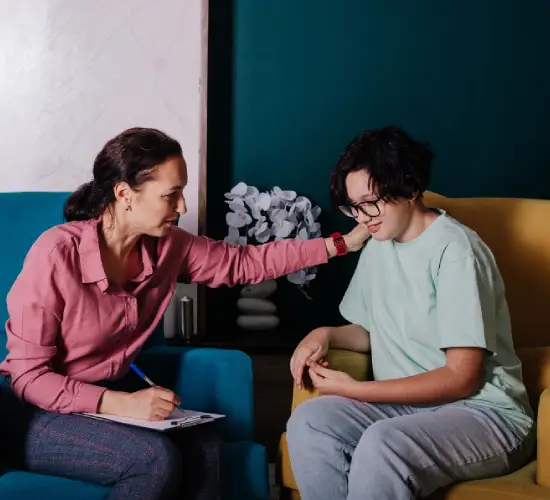

At UV Mental Health, we believe no one should face trauma alone. If you or someone you love is struggling with trauma-related symptoms, we are here to provide understanding, guidance, and effective care.
1620 Pebblewood Ln, Naperville, IL 60563, 296
Or fill out our online contact form—a member of our team will reach out promptly. Taking the first step toward healing is powerful, and with the right support, recovery is always possible.
Ans. They are mental health conditions that develop after experiencing or witnessing distressing or life-threatening events.
Ans. Flashbacks, nightmares, avoidance, guilt, anxiety, irritability, and trouble sleeping.
Ans. Through professional assessments, interviews, and evidence-based screening tools.
Ans. Therapies like CBT, EMDR, medication, mindfulness, and support groups.
Ans. Yes, with early recognition, the right treatment, and support, recovery is possible.
When we are healthier, we are happier, and that positive energy touches every part of our lives — at home, in school, at work, and throughout our communities.
© 2025 UV mental health services. All Rights Reserved.
